The Labrador’s ancestors did not come from Labrador. They were water dogs kept by fishermen on Newfoundland, often called St. John’s dogs, which worked in icy harbors fetching fish and lines. During the 1800s British sporting estates brought some of these dogs home and shaped them into a gun dog that would wait quietly beside a hunter, then swim out for a downed bird and deliver it without a tooth mark. The AKC recognized the breed in 1917. That job still shows in a dog that wants to work beside a person and carry something in its mouth.
Labs are friendly with almost everyone, which makes them easy family dogs and poor protectors. Most will bark when someone comes up the drive and then greet the visitor with a wagging tail. They usually get along with children and other dogs. The catch is size and enthusiasm: an adolescent Lab knocks toddlers flat without meaning to and treats an unattended sandwich as fair game. Mouthiness is part of the retriever package too. Puppies grab sleeves and shoes; give them toys to carry instead.
An ordinary week for a Lab should include a good walk every day plus something that lets it run, swim or retrieve. Under-exercised Labs find their own projects, usually the garden or the couch. They learn quickly because they want to please and will work for food, one reason the breed fills so many guide and detection roles. Field training, tracking and dock diving all suit them.
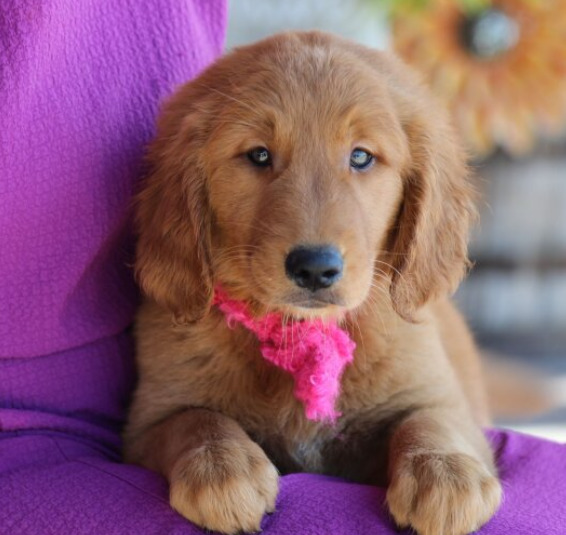
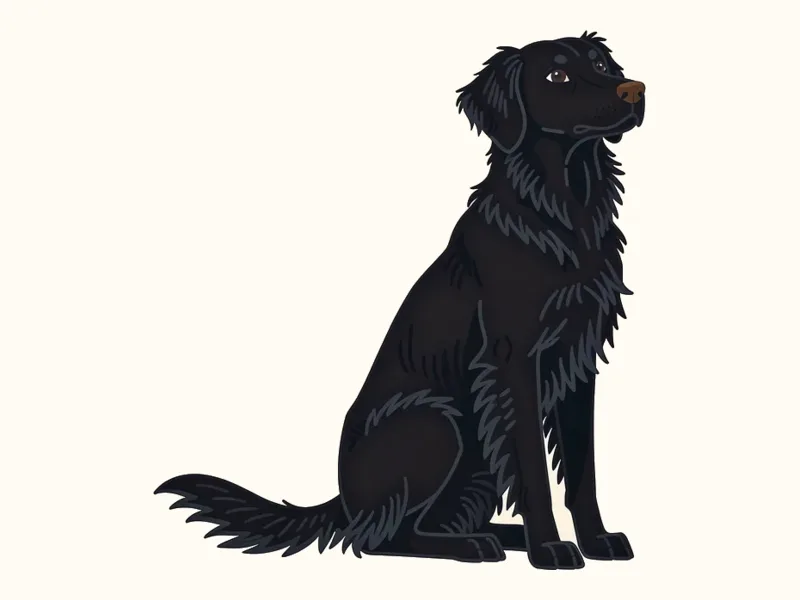
That love of food has a genetic angle. A 2016 University of Cambridge study found that a deletion in the POMC gene, carried by a share of Labradors, is linked to stronger food motivation and higher body weight. Overweight Labs are common, so measure meals, count treats. The coat is a short, dense double coat with a water-resistant outer layer and the thick otter tail the standard calls for. It comes in black, yellow and chocolate. Expect heavy shedding all year, worse during seasonal coat changes, and plan on brushing at least weekly.
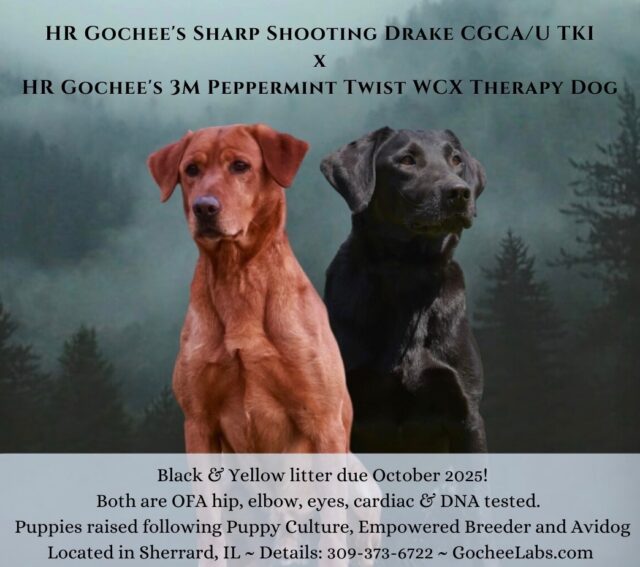
The Labrador Retriever Club’s minimum health clearances for breeding dogs are OFA hip and elbow evaluations, an eye exam by a board-certified veterinary ophthalmologist, and DNA tests for exercise-induced collapse (EIC) and the D locus (dilute color). Optional tests include DNA screening for centronuclear myopathy and prcd-PRA, plus a cardiac exam. The AKC gives a life expectancy of 11 to 13 years. A 2018 study of more than 33,000 Labs under veterinary care in the UK found a median lifespan of 12 years, with chocolate Labs living about 1.4 years less than black or yellow ones and having more ear infections.
The breed fits active households that want a dog included in everything and will put in a year or two of patient manners training. It is a poor match for anyone gone all day, anyone who wants a spotless house, or anyone hoping for a guard dog. When you talk to a breeder, ask to see the parents’ hip, elbow and eye results and look them up yourself in the OFA database. Ask too whether the litter comes from field or show breeding, since those lines can differ in build and drive.